This article was a fast WWDC memo built from the public keynote, public sessions, and Apple documentation only.
That framing matters. This article was intentionally practical and intentionally broad. Instead of going deep on one SDK, it tried to help readers understand the shape of the release: what changed across iPhone, iPad, Mac, Apple Watch, Apple TV, and which new APIs were worth opening sessions for next.
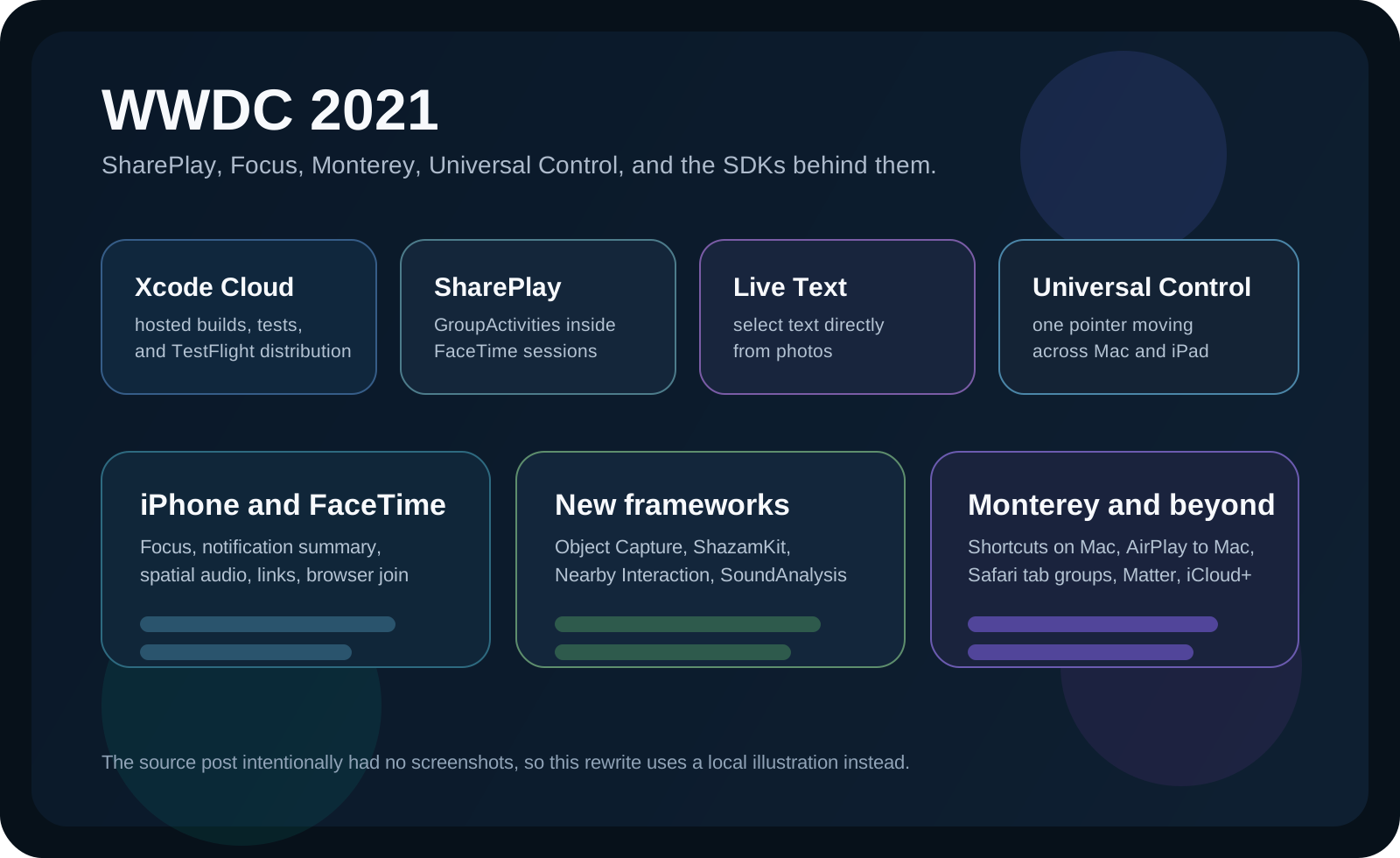
In hindsight, WWDC 2021 had three clear themes. Communication became more ambient through FaceTime, SharePlay, and Focus. Mac and iPad moved closer together through Universal Control and stronger multitasking ideas. And Apple kept exposing higher-level product features as reusable developer tools, from Xcode Cloud and ShazamKit to Object Capture, Nearby Interaction, and Live Text.
WWDC 2021 was a strong year for APIs that turned Apple product capabilities into things third-party apps could actually ship.
The framework list in the source memo is one of its most useful parts. Apple introduced Object Capture and photogrammetry workflows in RealityKit so developers could generate 3D objects from photographs instead of building every asset by hand. Xcode Cloud pushed build, test, and TestFlight distribution into Apple's own hosted pipeline. ShazamKit exposed music recognition, and GroupActivities gave apps a native route into SharePlay sessions over FaceTime.
The rest of the list shows the same strategy. SoundAnalysis widened audio classification. Safari web extensions reached iPhone and iPad. Nearby Interaction started working with third-party UWB accessories on U1 iPhones. ManagedSettings opened more of the Screen Time model. Apple also highlighted notification-mode APIs, one-time verification codes in iCloud Keychain, Live Text, iCloud+, Matter, and Mail app extensions.
Even the smaller bullets matter in aggregate: Swift concurrency, App Store custom product pages, in-app events, iPad Swift Playgrounds, and always-on support for Apple Watch apps all pointed in the same direction. Apple was smoothing over more of the boring infrastructure.
The iPhone story was built around communication, focus, and machine assistance that stayed visible without demanding full attention.
FaceTime received the loudest set of changes. The keynote added spatial audio for group calls, voice isolation for cleaner speech, portrait blur, grid layout, shareable links, scheduled sessions, browser joining from Android and Windows, and SharePlay for synchronized media and app activity. That cluster of features is why the source memo kept returning to FaceTime and GroupActivities from both the user and API angles.
Outside calls, iOS 15 tried to reduce overload. Shared with You pushed iMessage content into the apps where it belonged. Focus modes let the system adapt to personal or work context and introduced notification summaries. Live Text made text inside photos selectable, while Spotlight and visual lookup became much better at understanding photos, places, media, and contacts.
The rest of the iPhone platform sweep was broad rather than singular: Wallet support for keys and IDs, a redesigned Weather app, richer Maps with 3D city detail and AR transit guidance, Find My improvements for AirPods, and stronger Health features around walking steadiness, trends, and data sharing. None of those items alone define the release, but together they explain the feel of iOS 15: more contextual, more intelligent, and more glanceable.
iPadOS and macOS Monterey moved closer together through better multitasking, shared control, and a stronger system-app layer.
On iPad, the source memo calls out home-screen widgets, the App Library, new multitasking controls, the shelf view for switching between windows, and better keyboard shortcuts. Quick Note was another important idea: swipe in with Apple Pencil, capture a note, and keep it linked to the app where the note was created. Translation also finally arrived on iPad, which helped the larger-screen story feel less incomplete.
Swift Playgrounds on iPad was one of the more forward-looking announcements. Apple was openly presenting the tablet as a place where a developer could build an app with SwiftUI and submit it directly to the App Store. That did not replace Xcode on the Mac, but it did widen the narrative of where native development could happen.
On the Mac side, Monterey added the Shortcuts app, Safari tab groups, and AirPlay to Mac, but the standout feature was Universal Control. The keynote demo was simple and memorable: move one mouse or trackpad off the edge of the Mac display and directly onto a nearby iPad, then drag content between them. This article also notes that the concept extends beyond two devices and can include multiple Macs.
WWDC 2021 also filled in the rest of the platform map with privacy work, watch improvements, and a more connected home and TV story.
Privacy remained a major keynote theme. Apple highlighted Mail Privacy Protection, Safari tracker masking, and the new App Privacy Report that shows which apps accessed data like location, camera, photos, or contacts and which third-party domains they contacted. These were not flashy API headlines, but they signaled the system rules apps would increasingly need to fit within.
Apple Watch gained better sleep tracking, more workout types, portrait-photo watch faces, and more polished photo handling. Apple TV and Home leaned into Siri control, HomePod mini integration, package detection from cameras, and better viewing of security camera feeds on the television. Across the board, the keynote kept merging media, communication, and smart-home control into one broader ecosystem story.
WWDC 2021 was a connective-tissue release: fewer giant visual reinventions, more system features that linked devices, people, and apps together.
That is what makes the original memo still useful. It does not treat the keynote as one headline. It treats it as a map of where to go next: which sessions matter if you care about SharePlay, which documentation to open if you want Xcode Cloud or ShazamKit, and which platform ideas actually changed the feel of Apple's ecosystem in 2021.
If WWDC 2022 was easy to remember for the lock screen and WWDC 2023 for Vision Pro, WWDC 2021 is easier to describe as the year Apple tightened the links between devices and turned more first-party product features into developer tools.